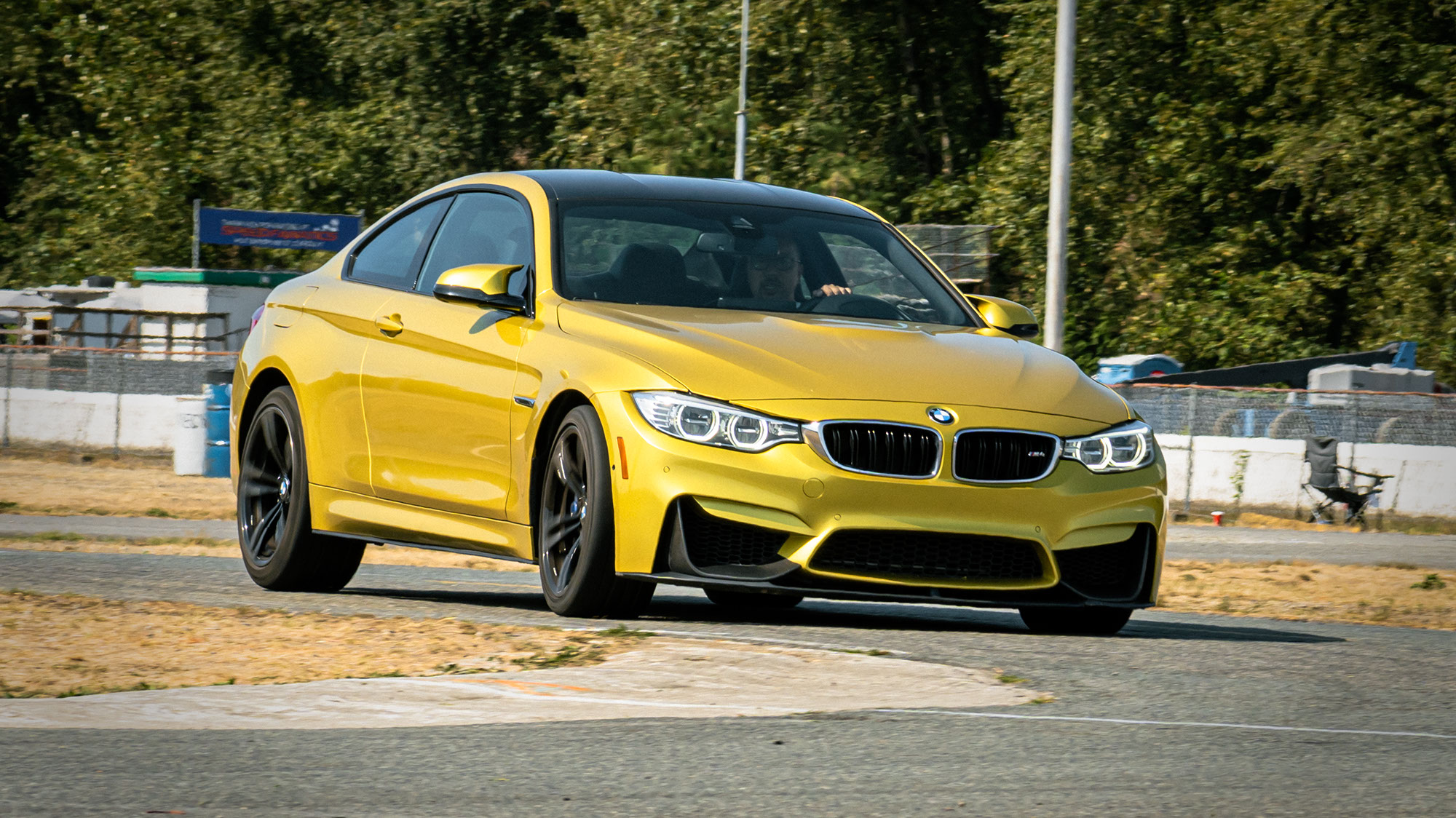


BMW struck gold in the late sixties.
Well, maybe I should rephrase – it wasn’t that they stumbled onto a market segment, so much as they saw an unfulfilled demand for a smaller, lighter, more affordable version of their executive sedan. The 02-series, as it later became known, spent 11 years setting the stage for what would become an icon in the automotive industry.
The higher-displacement version in particular (i.e. the 2002) formed a lot of that reputation. Its power bump and foray into motorsport (169 podium finishes out of 600 races) cemented BMW as a maker of high-quality, affordable performance cars.
Meanwhile, as the company was preparing the replacement for its aforementioned executive car, a BMW sales manager had the idea to switch to a series-based naming structure. With that, said replacement was called the 5-series – the 02’s successor, internal chassis designation E21, therefore made its late-seventies debut wearing the 3-series moniker.

Despite having a design merely adapted from its bigger brother (as was the case with the 02), the E21 still left such an impression that Design Museum London eventually named it one of the 50 cars that changed the world. The compact, rear-wheel drive car with engaging driving dynamics from BMW had become an institution.
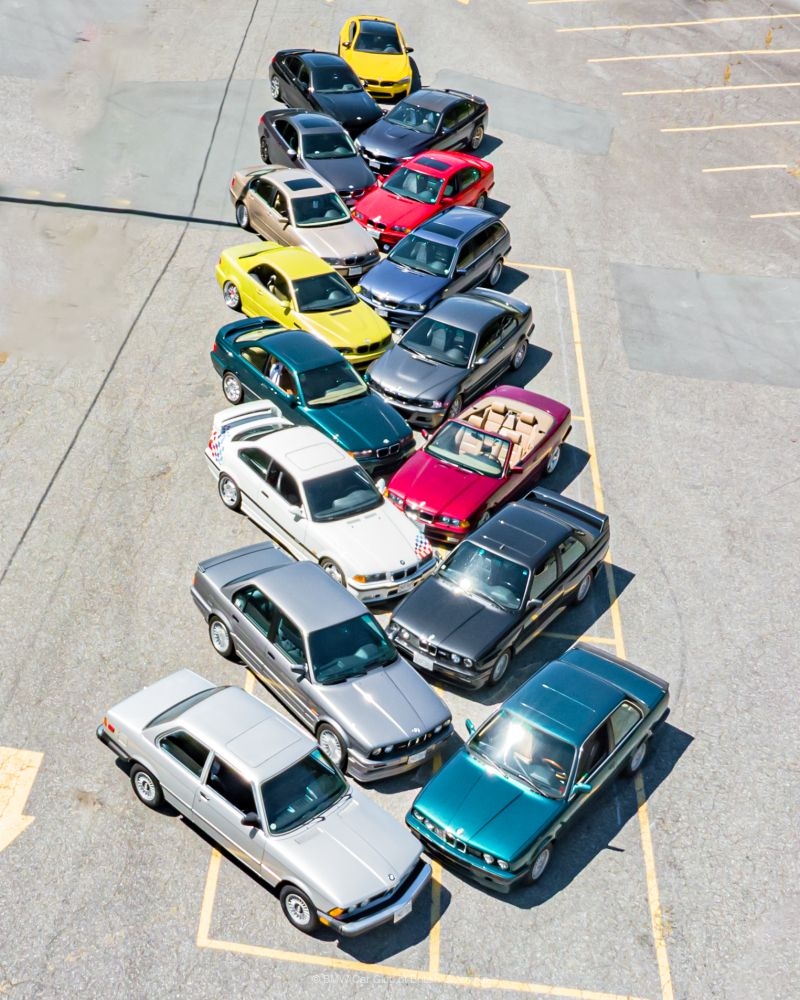
Each of the seven generations of 3-series brought forth improvements to the formula that captured hearts and minds for decades, without straying too far from it. The E30 introduced almost every possible bodystyle, from a two-door convertible to a five-door wagon, as well as an all-wheel drive option and a full M version. The subsequent E36 was noticeably larger and more aerodynamic – along with adding the first three-door hatch variant, it stayed on Car and Driver magazine’s “10Best” list every year it was produced.

The modern, more electronic era welcomed its own 3-series, the E46, with its more aggressive stance and oft lauded handling. Chris Bangle’s design came in full force with the E90, which gave the world the first factory V8-powered 3-series, along with available turbocharged engines and iDrive infotainment. Once the F30 replaced it, you could get your 3-series with any steering assist and engine type, as long as it was electronic and turbocharged, respectively.
Today’s 3-series, the G20, offers chassis rigidity and aerodynamics like never before, along with more power than the moniker was ever attached to.
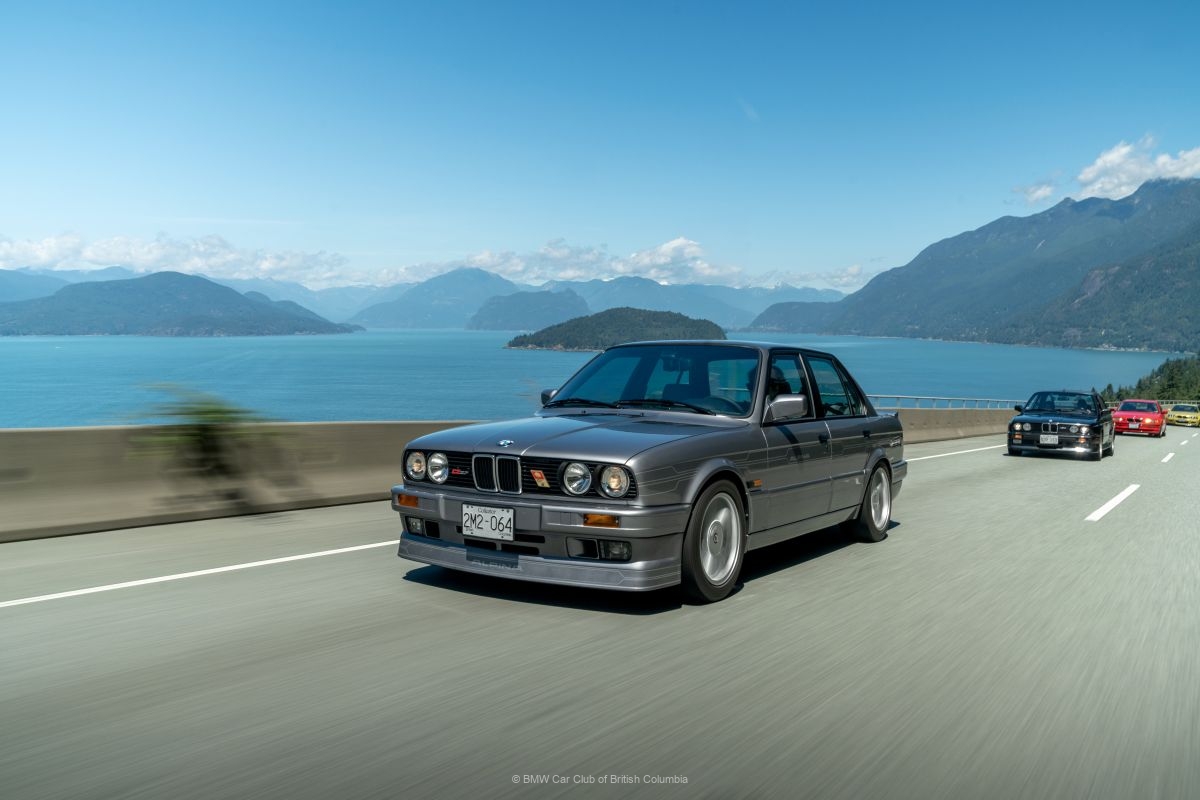
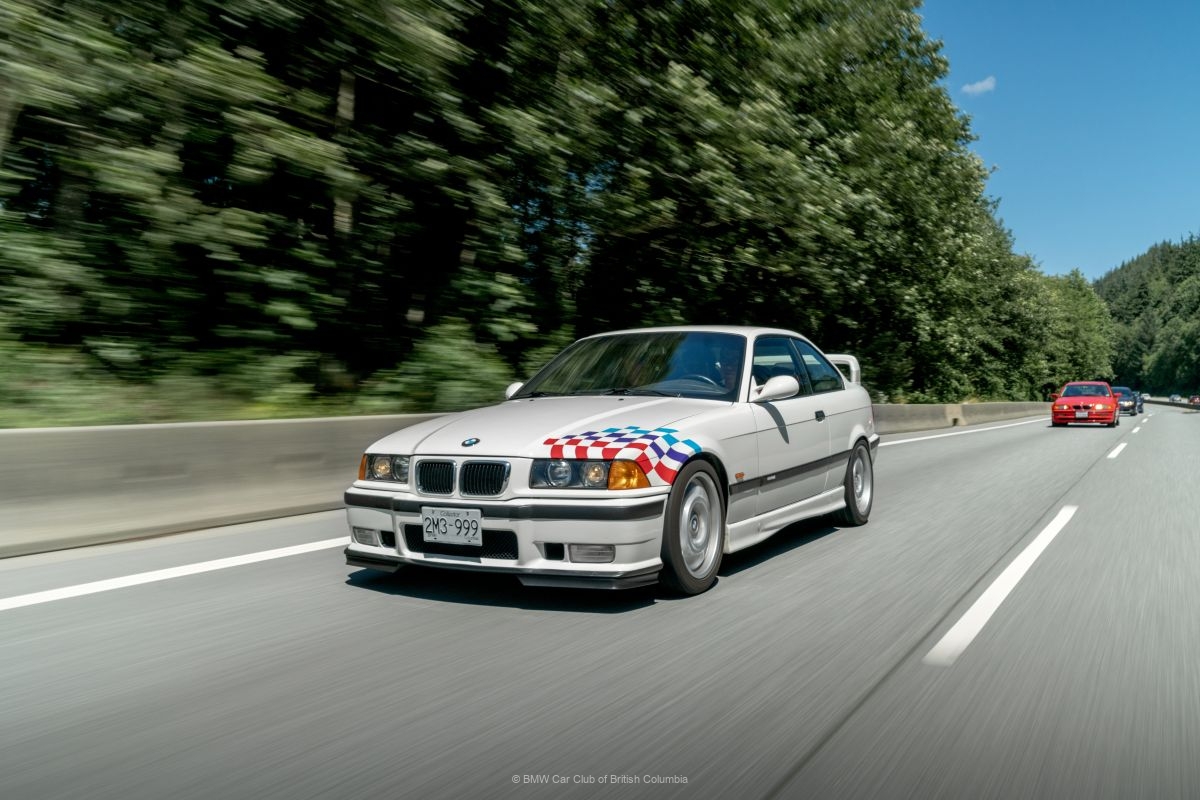
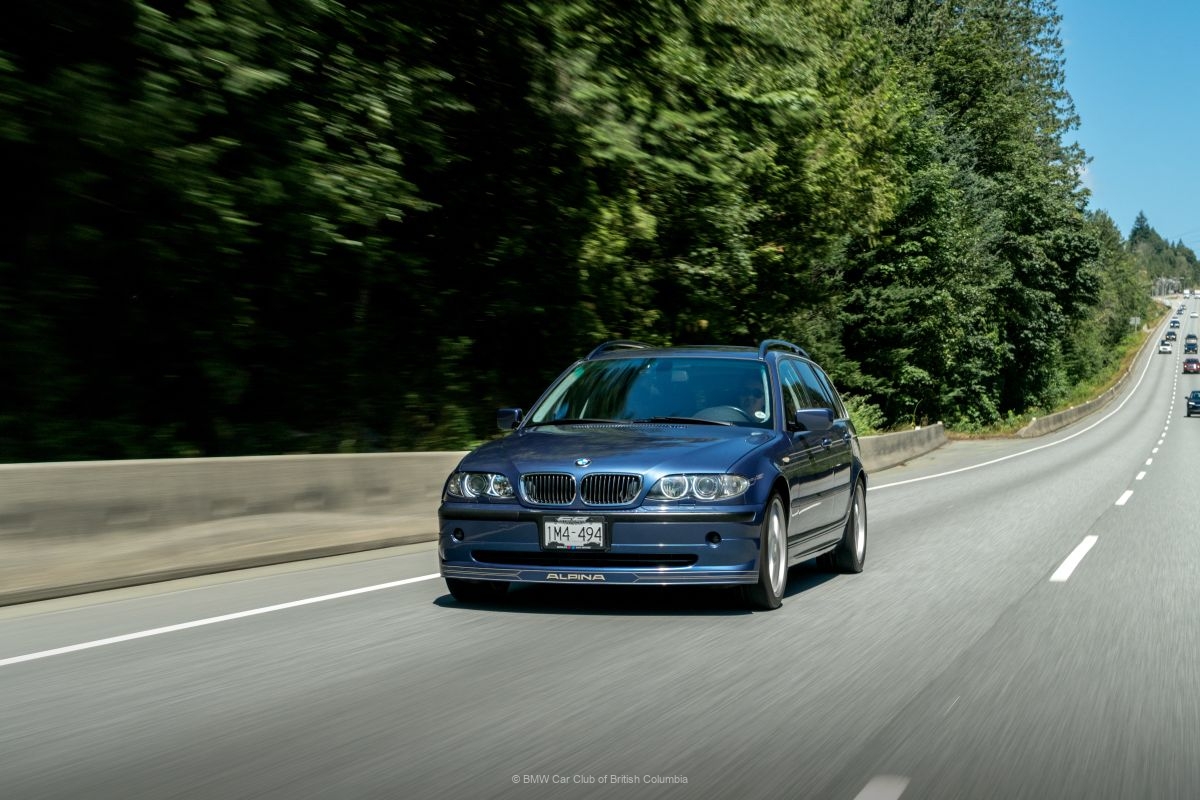
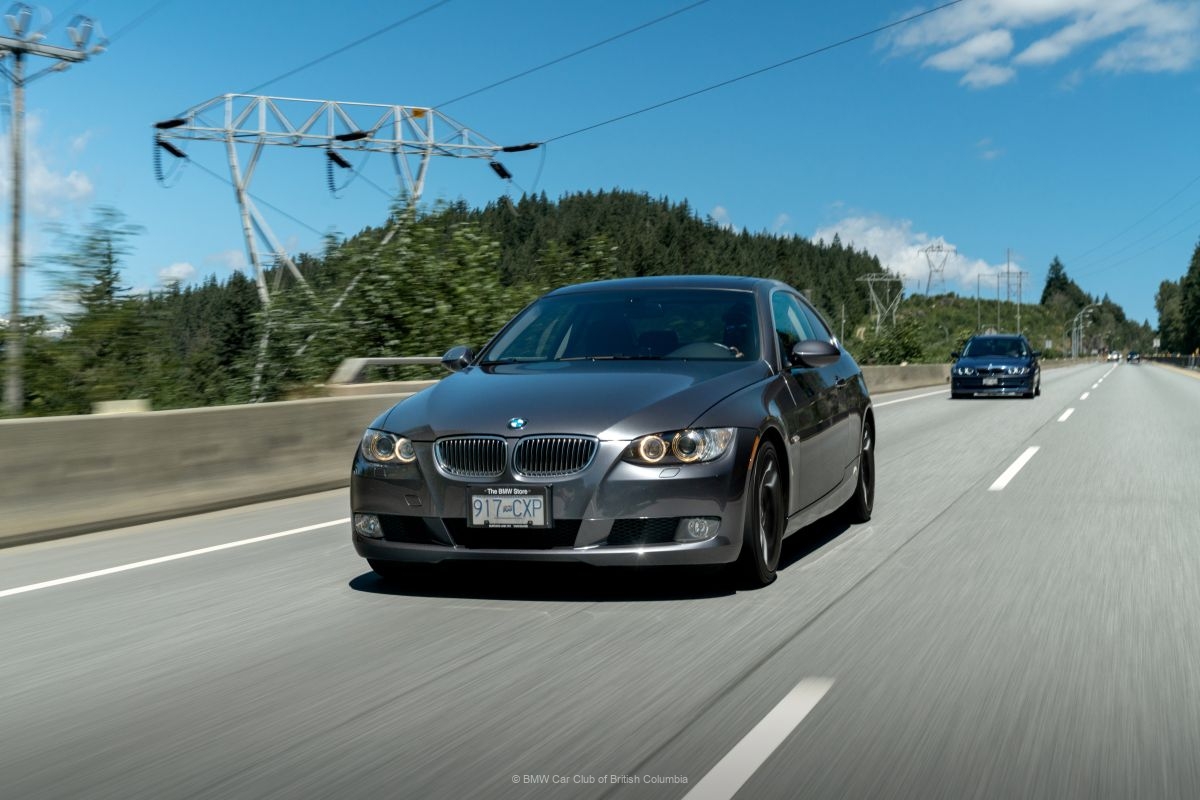
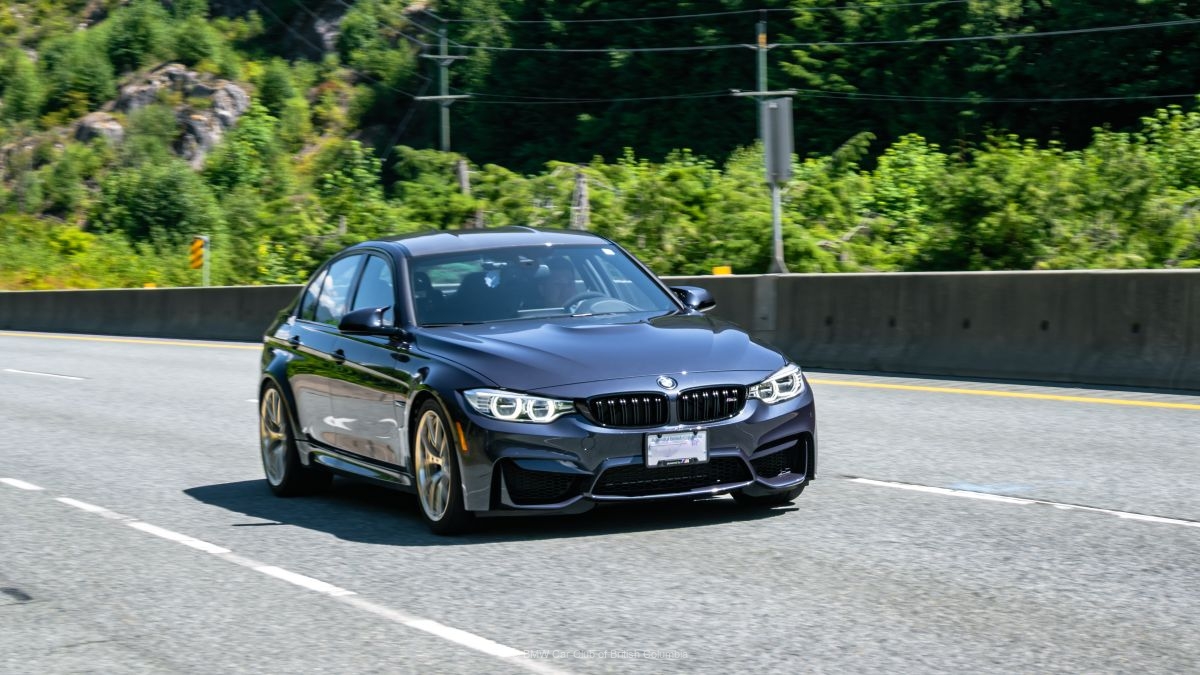
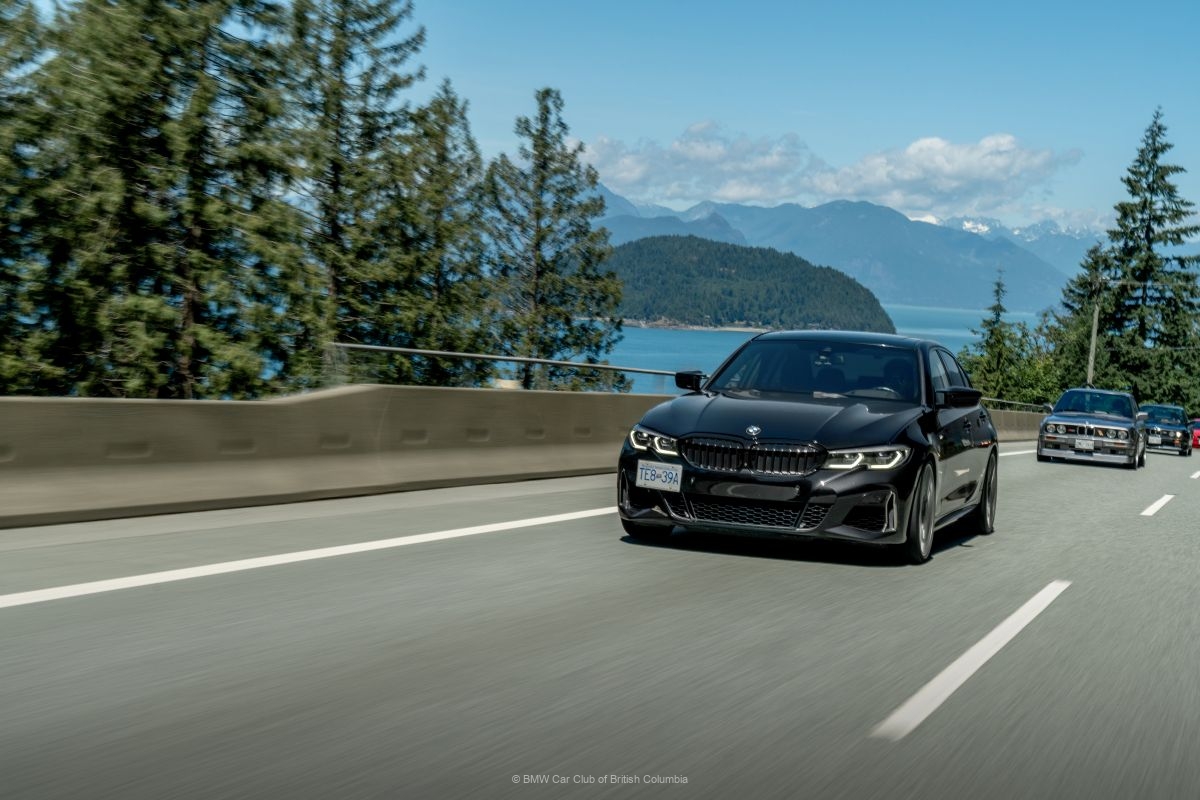
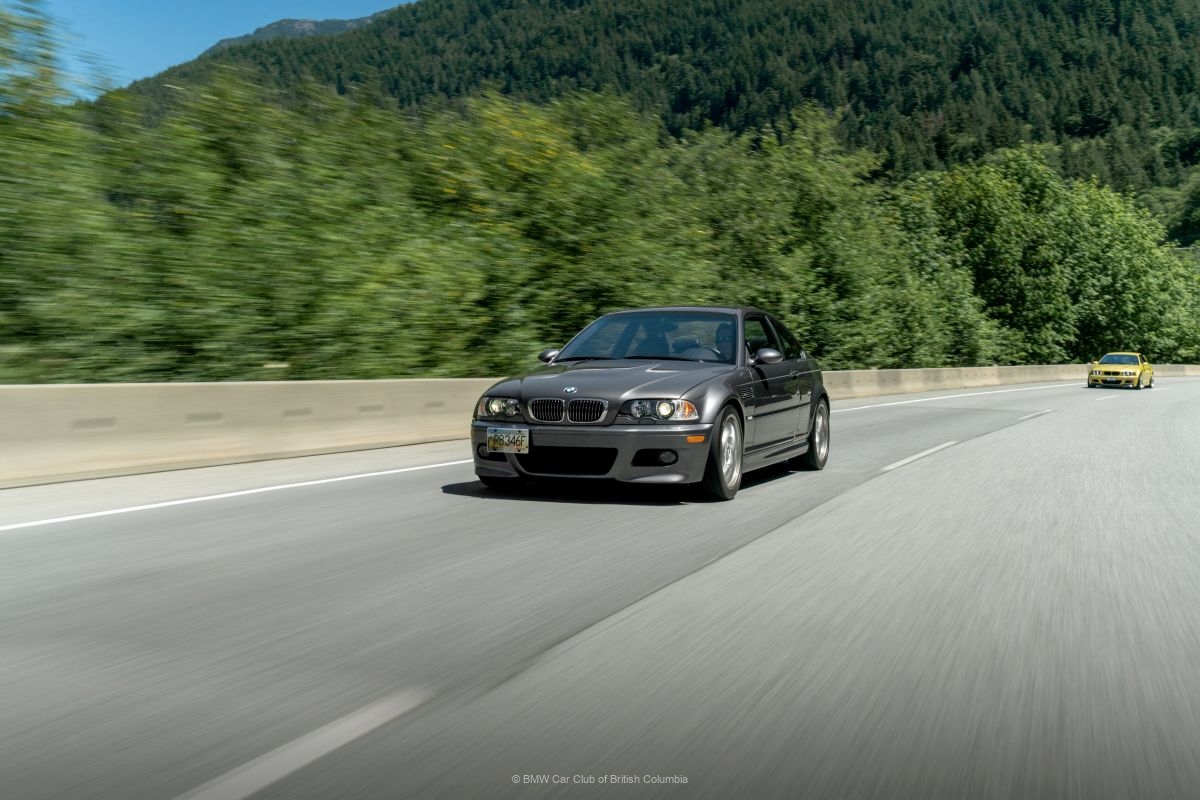
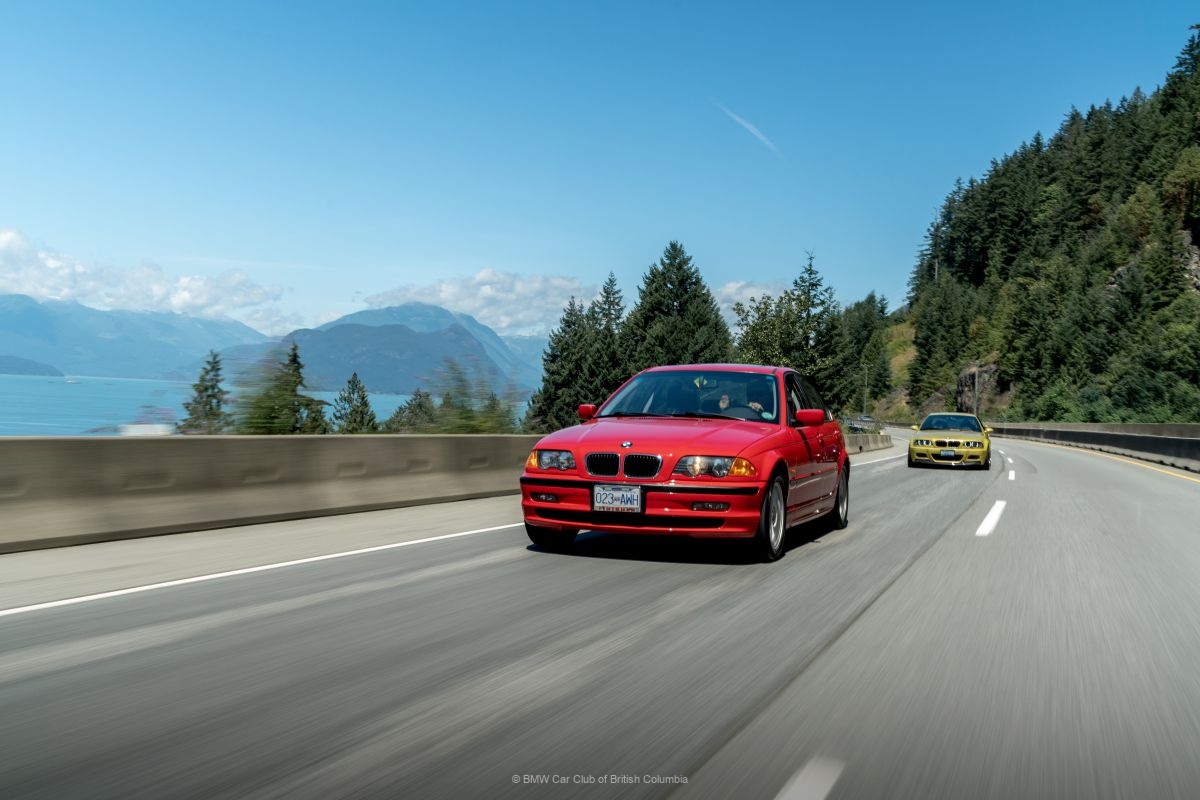
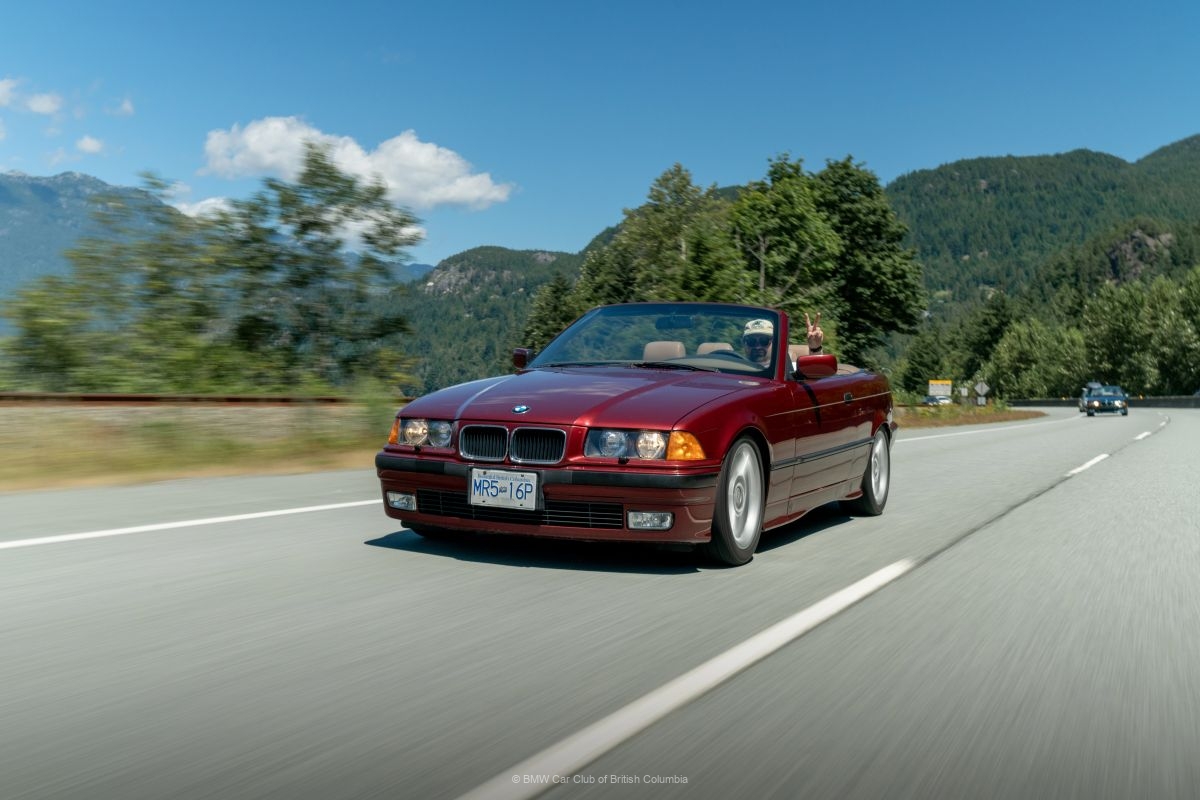
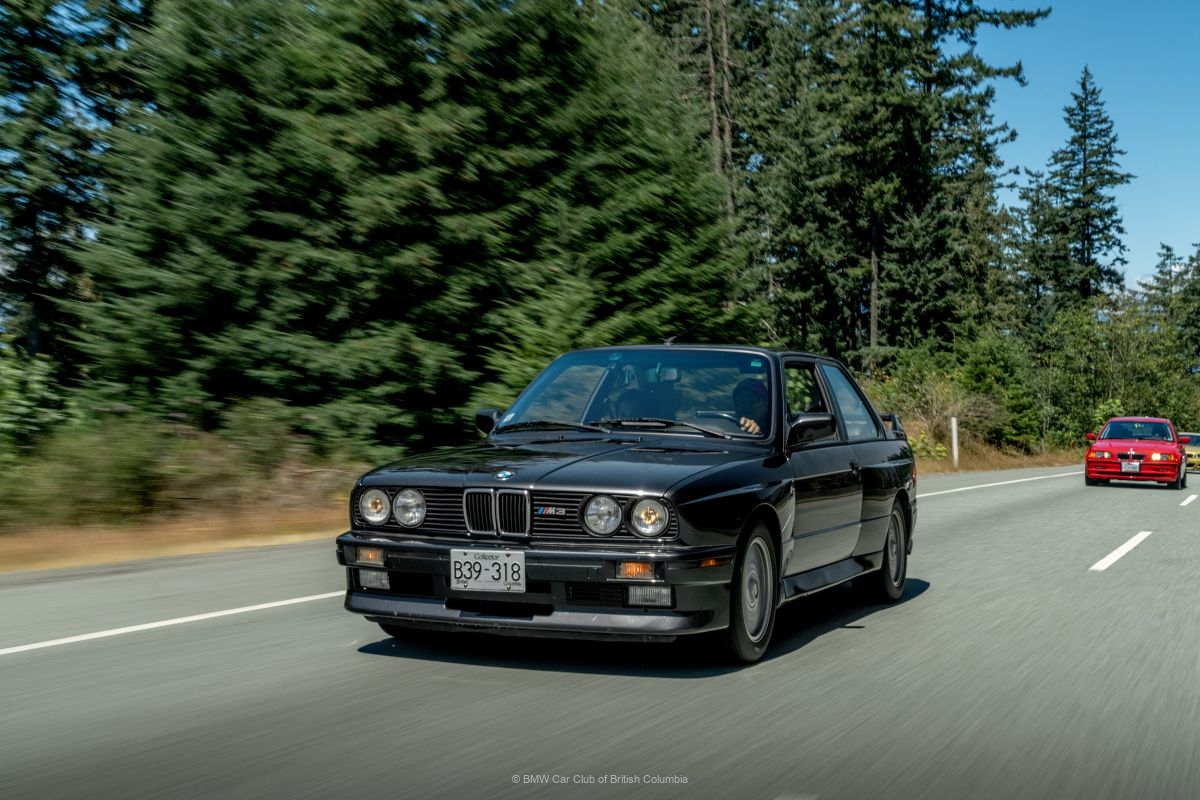
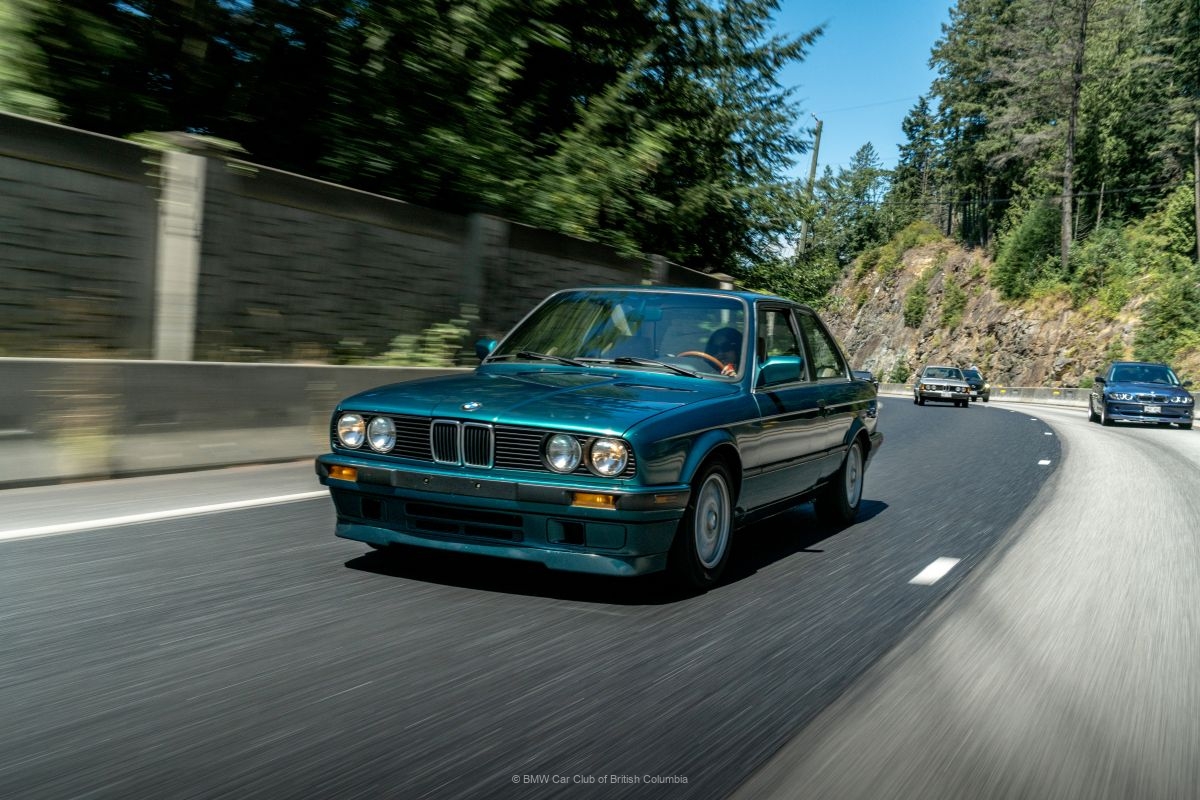
Evidently, given how much I’ve written about the 3-series so far, one would think its 50th anniversary would be something worth celebrating. Well, one would be correct.
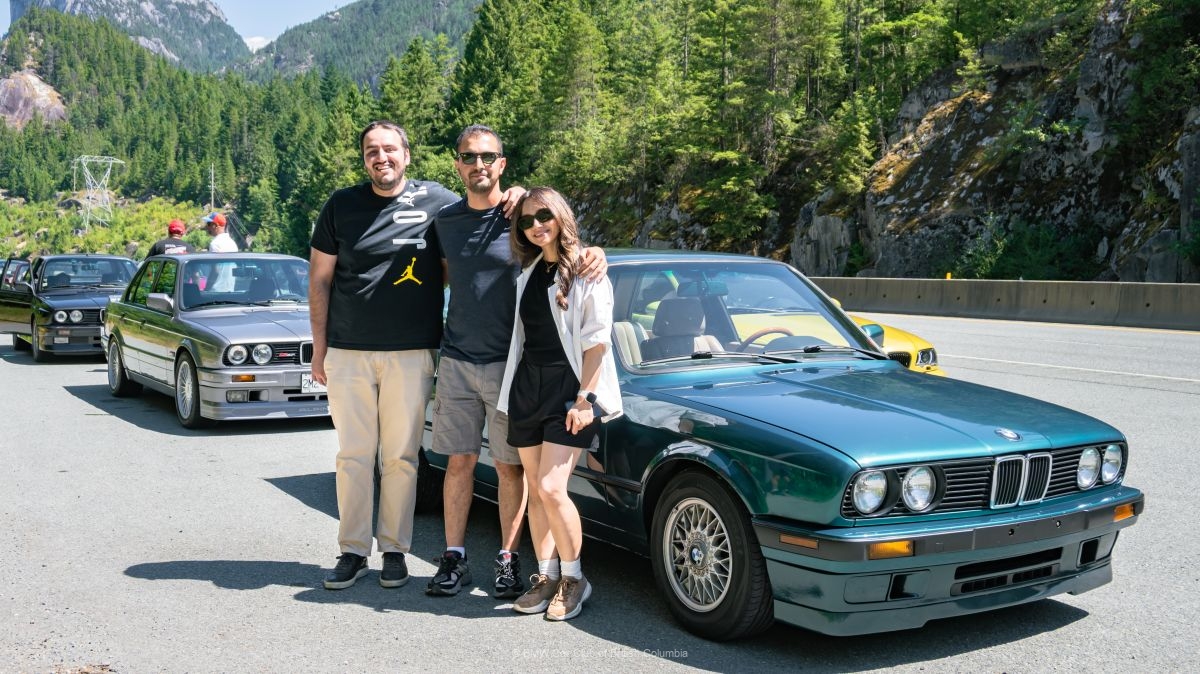
BMW CCBC is fortunate enough to have at least one of each generation 3-series represented among our members, each with its own unique story. We have been spotlighting these cars and their owners throughout this year on our YouTube channel:
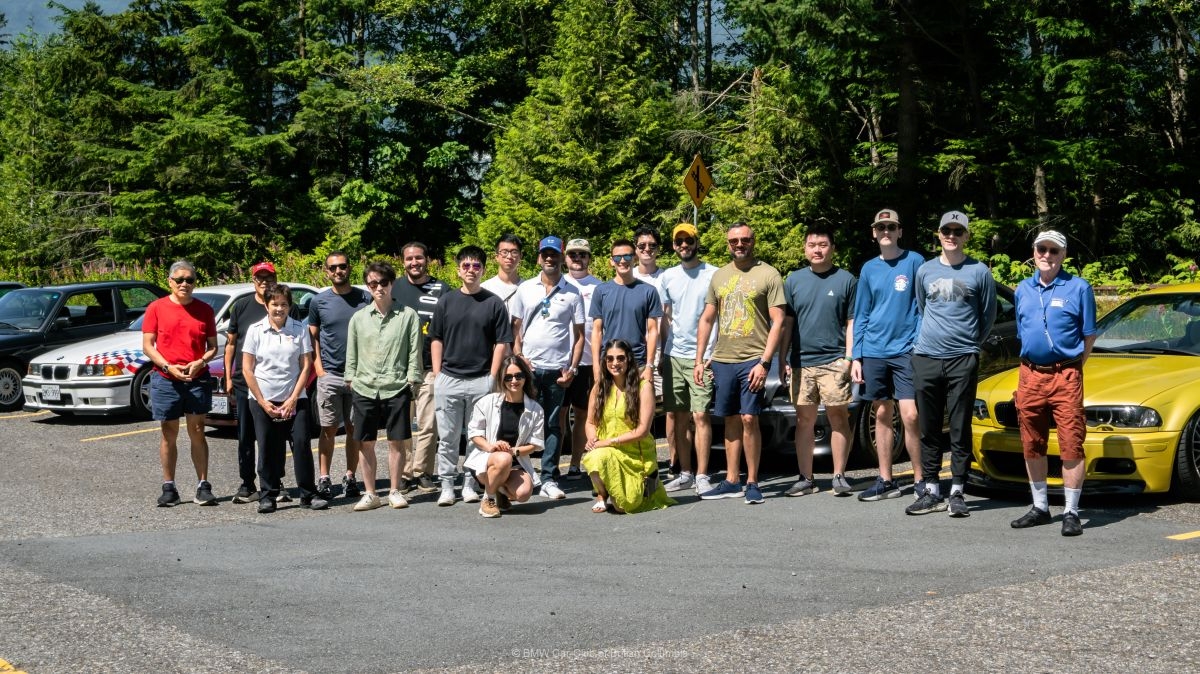
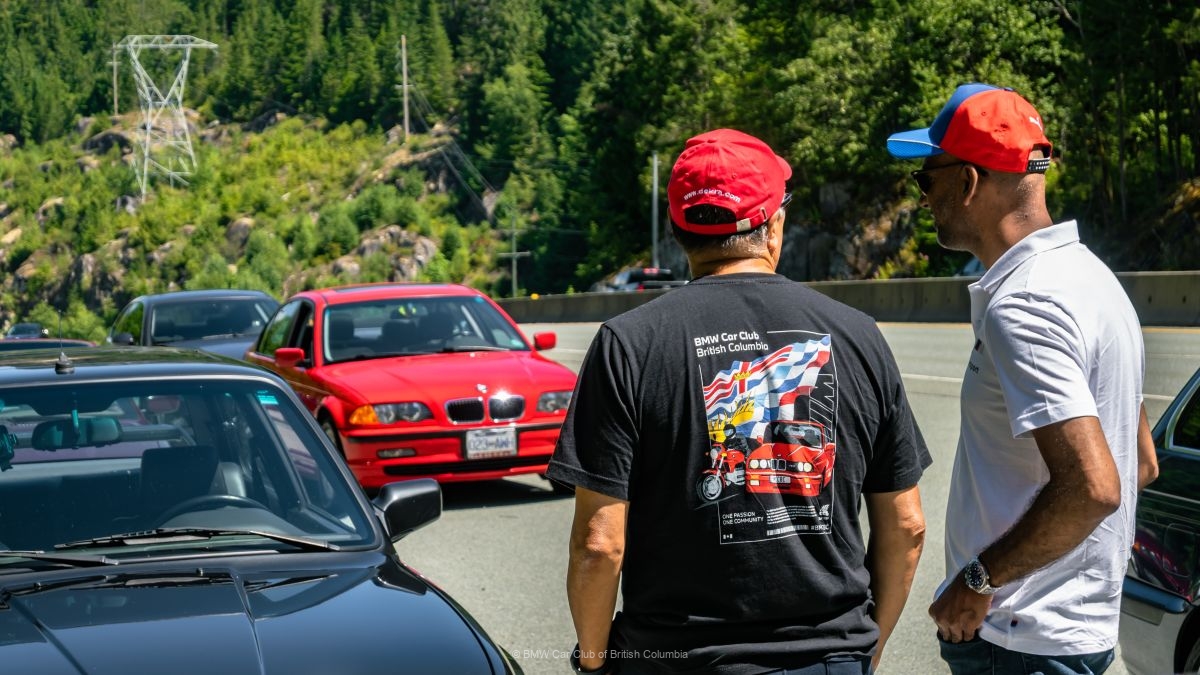
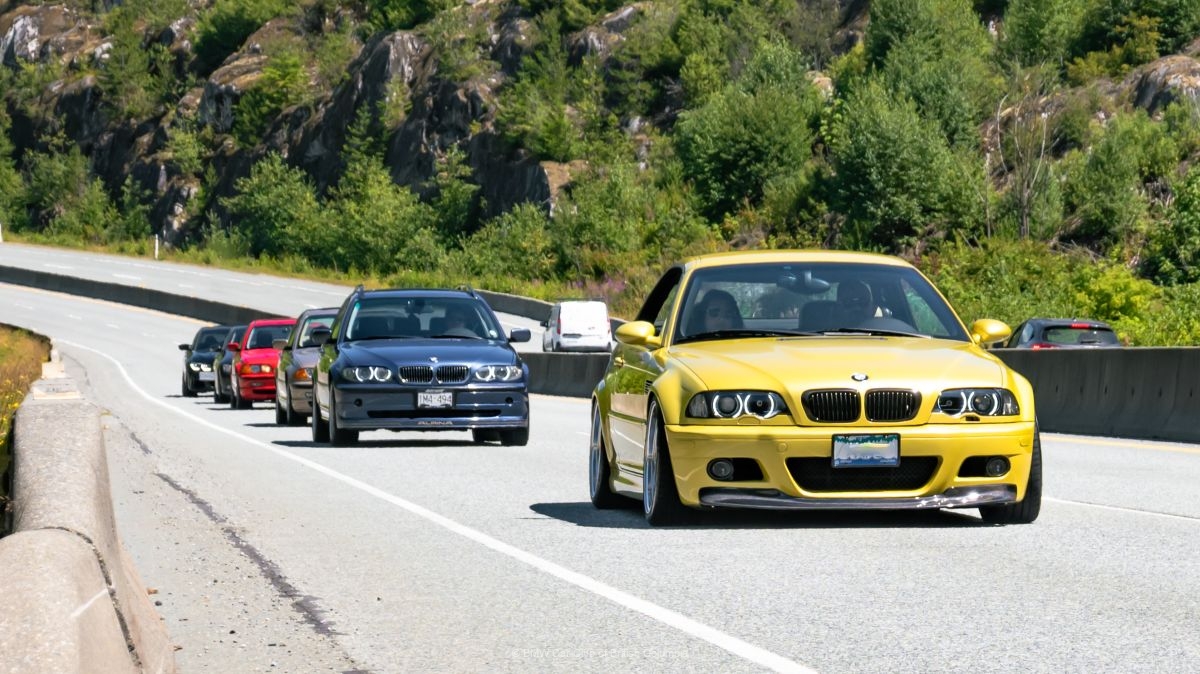
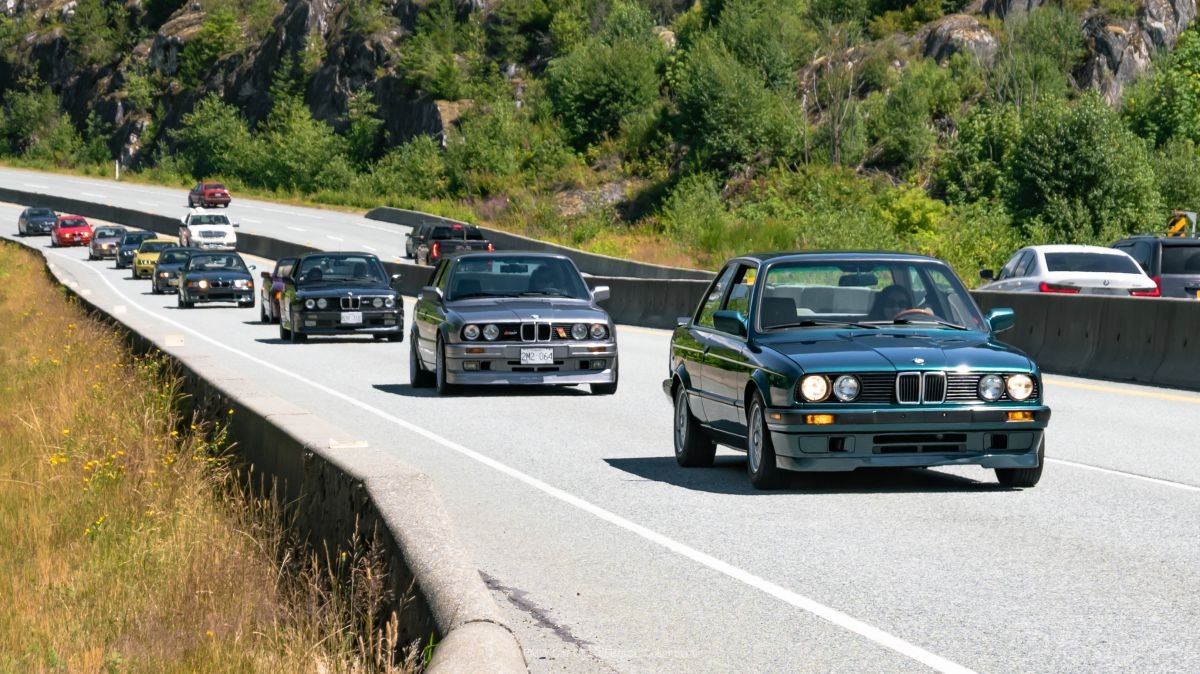
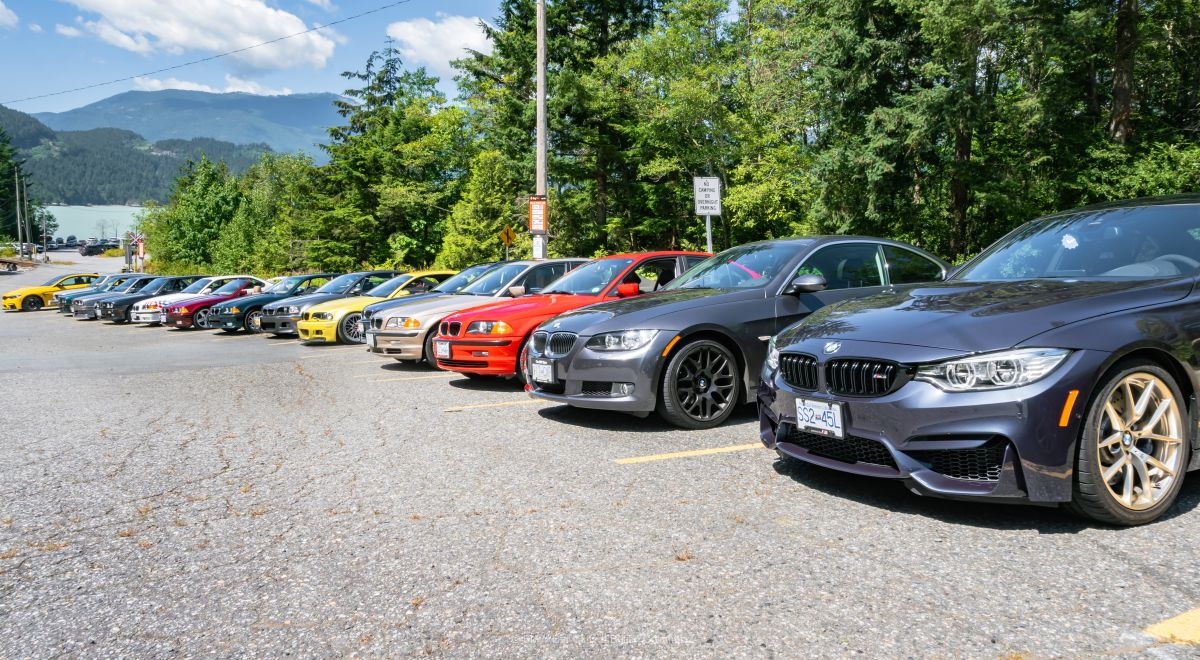
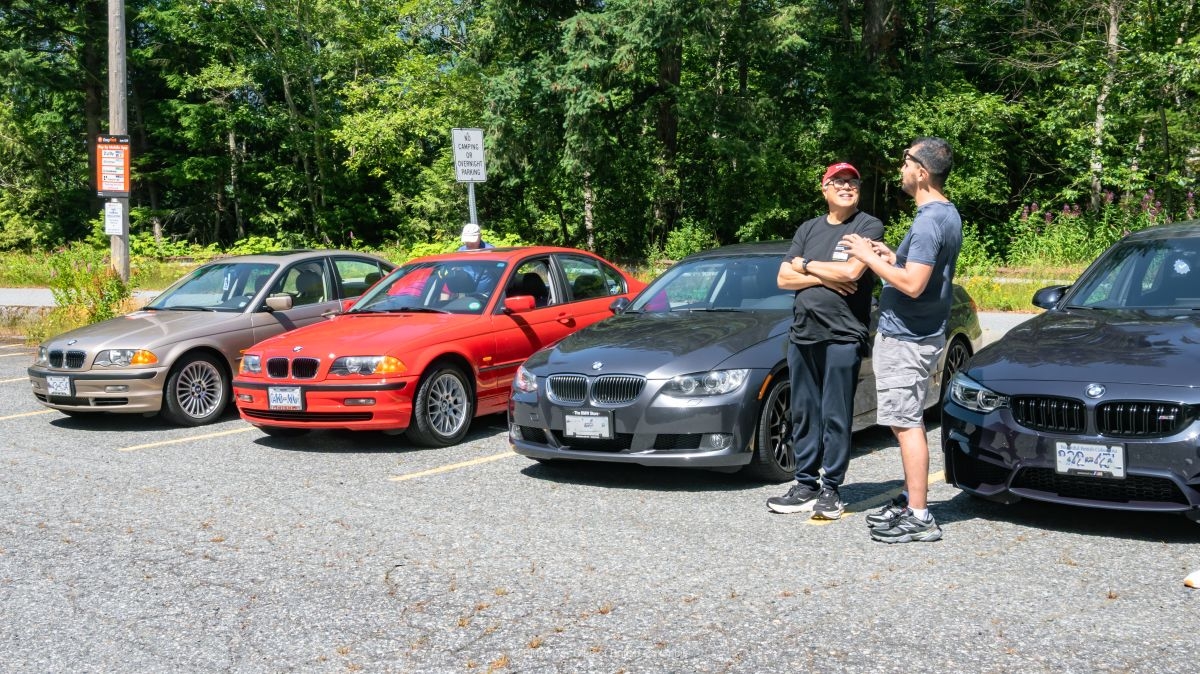
First, however, we decided to celebrate this great milestone in the way most befitting of a BMW – by organizing a drive up the Lower Mainland’s equally iconic Sea-to-Sky highway, for some wonderful photo and video opps.
Check out our video of how it went, along with the gallery below!